The Future of Stores in a Digital World

Marks and Spencer (M&S) has been a major retailer in the UK for many years, but it is now facing challenges as more people shop online instead of in stores. This shift has led the company to close some of its stores and rethink its strategy. However, simply closing stores may not be enough to stay competitive. Instead, M&S must consider how to adapt its physical stores to better fit today’s digital shopping world.
This decline in store performance is mainly due to the rapid growth of online shopping, which offers customers more convenience and flexibility. As fewer people visit physical stores, many M&S locations have become less profitable and more expensive to maintain. This has created pressure for the company to close stores, but doing so does not fully solve the issue of changing customer behavior and expectations.
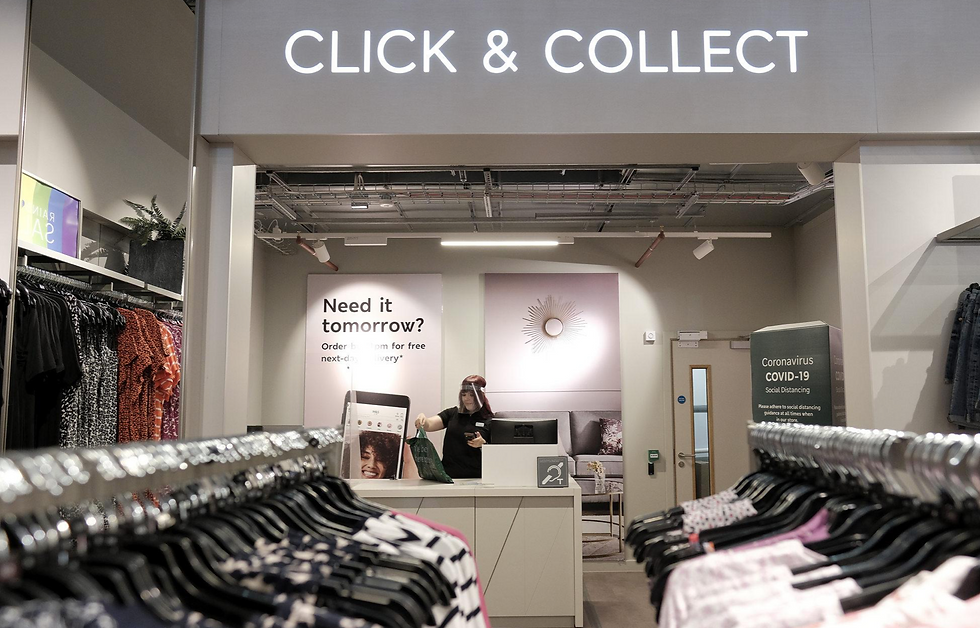
Instead of focusing only on store closures, M&S should adopt a strategy that reimagines the role of its physical stores. Rather than being used solely for purchasing products, stores can become spaces that enhance the overall customer experience and support online shopping. For example, locations can serve as click-and-collect points, product showrooms, and interactive brand spaces. By integrating its physical and digital channels, M&S can create a more convenient and engaging shopping experience that meets the expectations of modern consumers.
This strategy works because it aligns with how consumers shop today, combining the convenience of online shopping with the value of in-store experiences. By using stores to support digital sales, M&S can increase efficiency while still maintaining a physical presence for customers who want to see and try products. Additionally, enhancing the in-store experience can strengthen brand loyalty and attract more customers. Overall, this approach allows M&S to stay competitive in a changing retail environment while making better use of its existing store network.

In conclusion, M&S should adopt a balanced approach by closing consistently unprofitable stores while investing in and transforming its remaining locations. By focusing on creating modern, experience-driven stores that support online shopping, the company can better meet changing customer expectations. This strategy not only improves efficiency but also strengthens the brand and drives long-term growth. Ultimately, the future of M&S depends on building smarter, more adaptable stores rather than simply reducing their number.


Comments